


T: +86-18367823571
E: lyy@xg1688.cn
E: lyy@xg1688.cn
Building 2, No. 84, Qingxi Dongfeng Road, Qingxi Town, Dongguan City, Guangdong Province, 523642, China

Views: 0 Author: Site Editor Publish Time: 2026-01-09 Origin: Site
Farm equipment plays a crucial role in modern agriculture, but its effectiveness depends on proper farming quality controls. These controls ensure crops, livestock, and tools meet high standards, improving productivity, safety, and sustainability. From precision machinery and soil management to animal health monitoring, quality control helps farmers optimize resources, reduce waste, and achieve consistent yields. Understanding how agricultural quality standards, farm quality assurance, and data-driven practices work together can empower farmers and enhance farm operations for better results and long-term success.
Farming quality controls are methods and practices designed to make sure farms produce reliable, safe, and high-quality products. They are not just rules—they guide how crops grow, how livestock are raised, and how farm equipment is used.
They cover everything from soil management and irrigation to machinery performance and animal health. You might also see them called “agricultural quality standards” or “farm quality assurance” in industry reports. Essentially, it’s all about keeping farming outputs consistent and safe for consumers, while helping farmers work smarter.
Examples include:
Certified seeds and feeds
Routine soil testing and amendments
Regular equipment inspections
Animal vaccination and health monitoring
Quality control in farming didn’t appear overnight. Early farmers relied on observation and experience—choosing healthy seeds, rotating crops, and caring for livestock by sight and feel.
Modern farming, however, combines science and technology. Sensors, GPS-guided tractors, drones, and laboratory testing now track plant growth, soil nutrients, and animal health in real-time.
| Era | Key Practices | Tools & Methods |
|---|---|---|
| Traditional | Seed selection, crop rotation | Observation, manual inspection |
| Modern | Precision farming, lab testing | Drones, sensors, software, soil analysis kits |
They went from manual, labor-intensive checks to data-driven approaches that allow farmers to predict and prevent problems before they occur.
Farming quality controls aim to make farms safer, more productive, and more sustainable. They touch nearly every aspect of agriculture:
1. Ensuring Product Efficacy and Safety
They make sure seeds, fertilizers, pesticides, and feeds do exactly what they’re supposed to do without harming the crops, animals, or the environment.
2. Increasing Productivity and Crop Yield
By following quality standards, farmers can plant faster, reduce losses, and harvest healthier crops. Tools like precision planters and automated irrigation help maximize output.
3. Reducing Waste and Material Losses
Quality control helps cut down wasted seeds, fertilizers, and water. It also reduces spoilage of harvested crops or losses in animal production.
4. Supporting Sustainable Farming Practices
They encourage soil protection, responsible chemical use, and energy-efficient equipment. Sustainability isn’t just trendy—it’s essential for long-term farm success.
5. Compliance with Regulations
Quality control keeps farmers in line with government laws, industry certifications, and safety guidelines. This protects both the farm and the end consumer.
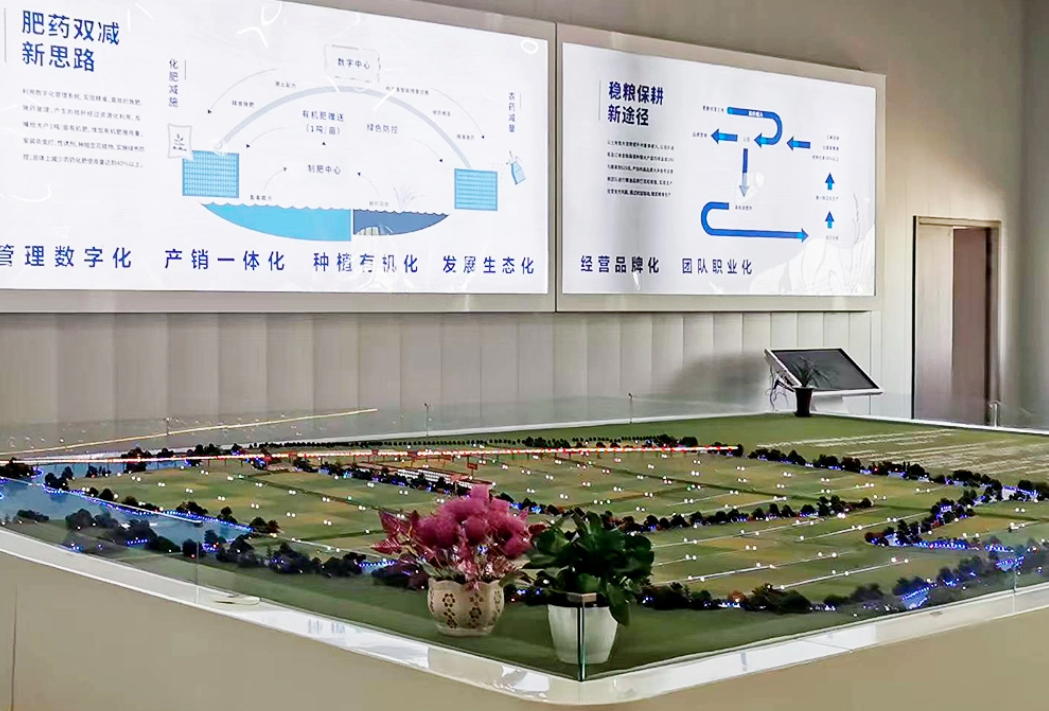
Crop quality is heavily influenced by the environment. Weather patterns like droughts, heavy rain, and storms can stress plants or slow growth. Temperature swings—such as heat waves or unexpected cold snaps—also affect how crops develop. Sunlight matters too; both the intensity and duration play a key role in photosynthesis. Even the timing of rainfall can create challenges, as uneven water supply may weaken crops and reduce yield.
Healthy soil is the backbone of productive farming. pH levels determine how well plants absorb nutrients, while soil texture—whether sandy, loamy, or clay—affects water retention and root growth. Moisture retention is critical; roots need steady access to water to stay strong. Organic matter, including microbes and decomposed plant material, feeds crops naturally and supports overall soil fertility.
Plants are constantly exposed to biological threats. Pests such as insects, rodents, and other crop-eaters can damage leaves and stems. Diseases caused by fungi, bacteria, and viruses can stunt growth or reduce yields. Nematodes, tiny worms attacking roots, quietly rob plants of nutrients, further impacting health. Farmers need to monitor these risks closely to maintain crop quality.
How crops are grown also affects quality. Planting density matters—crowded plants compete for sunlight and nutrients, reducing overall yield. Tillage and soil preparation influence aeration, nutrient availability, and root expansion. Irrigation practices must be carefully managed; overwatering or under-watering can weaken plants and make them more susceptible to disease.
To make crops healthier and yields predictable, farmers apply specific quality control measures:
Seed selection and certification: ensures only high-quality seeds are planted.
Soil testing and amendments: adds nutrients or adjusts pH before planting.
Precision farming tools: GPS-guided seeders, drones, sensors for monitoring growth.
Pest and disease management protocols: regular inspections, targeted treatments, and crop rotation.
Post-harvest checks: sorting, grading, and storage to reduce spoilage.
Tip: Combining technology and traditional farming practices helps achieve more consistent results.
Implementing quality controls directly improves crop outcomes:
Higher and more predictable yields: healthy plants produce more consistently.
Reduced crop losses: pests, diseases, and environmental stress are better managed.
Enhanced nutritional value: quality control ensures fruits, vegetables, and grains retain nutrients.
Consumer safety: food reaching markets is safer and meets regulatory standards.
High-quality farming equipment is more than convenience—it shapes productivity and safety. Precision tools influence how accurately seeds are planted, how evenly fields are tilled, and how efficiently crops are harvested. Reliable equipment keeps farmers safe and reduces the risk of accidents in the field.
Using well-tested machinery also prevents breakdowns. When machines fail less often, maintenance costs drop, and farmers spend more time focusing on crops instead of repairs. In short, quality equipment saves money and improves results.
Before equipment reaches farms, it goes through strict quality control measures. Pre-market inspections and certifications ensure the machines meet performance and safety standards.
During shipping, equipment is carefully monitored to prevent damage. Supervision continues during handling, including loading and unloading at distribution points.
Once on the farm, regular maintenance and calibration keep tools accurate and reliable. This includes checking seeders, planters, sprayers, and harvesters to maintain optimal performance.
Equipment Quality Control Checklist:
Pre-market inspection & certification
Shipping and handling supervision
Scheduled maintenance & calibration
Farms using quality-controlled tools often see measurable benefits. Labor costs drop because fewer workers are needed to compensate for inefficient machinery. Crop wastage decreases as planting, fertilizing, and harvesting become more precise.
Farmers can plan and manage operations better. Accurate records, consistent performance, and fewer equipment failures create more predictable schedules, helping farms run smoothly and profitably.
| Benefit | How It Happens |
|---|---|
| Lower Labor Costs | Efficient machinery reduces manual work |
| Less Crop Waste | Precision tools minimize planting errors |
| Improved Farm Planning | Reliable machines support predictable output |
| Cost Savings | Fewer breakdowns mean reduced repair costs |
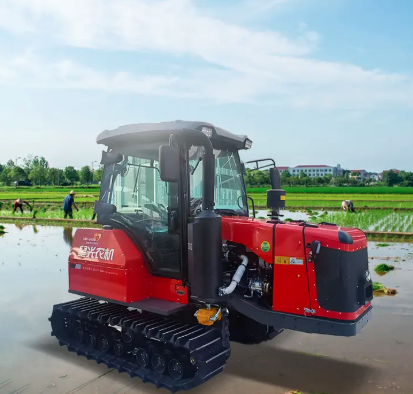
Precision agriculture is farming guided by data. It uses information from soil, weather, and crop sensors to make smarter decisions in real time. Instead of guessing how much water or fertilizer a field needs, farmers can adjust inputs precisely.
It’s closely linked to quality control because accurate data ensures crops receive exactly what they need, reducing waste and improving yield. In modern farming, precision agriculture acts as both a management system and a quality assurance tool.
Data-driven decisions improve crop consistency
Monitors growth, health, and environmental factors
Supports sustainable and cost-effective farming
Precision agriculture relies on advanced tools to monitor and manage farms efficiently:
GPS-enabled tractors and harvesters: Plant seeds, spray fertilizer, and harvest with pinpoint accuracy.
Remote sensing, drones, and satellite imaging: Track plant health, soil conditions, and detect pests early.
Soil moisture and nutrient sensors: Measure exactly how much water or nutrients each section of the field needs.
Smart irrigation systems: Distribute water only where and when it’s needed, saving water and energy.
| Tool / Technology | Purpose / Function |
|---|---|
| GPS Tractors & Harvesters | Accurate planting, fertilizing, harvesting |
| Drones & Satellite Imaging | Crop monitoring, pest detection |
| Soil Sensors | Measure moisture, pH, nutrient levels |
| Smart Irrigation Systems | Efficient water distribution, reduce waste |
Using precision agriculture improves farming outcomes and strengthens quality control:
Efficient resource usage: Water, fertilizers, and pesticides are applied only where needed.
Increased crop yield and health monitoring: Farmers detect stress early and intervene promptly.
Reduced environmental impact: Less runoff, fewer chemicals, and optimized land use protect soil and water.
A: Farming quality controls improve productivity, reduce waste, enhance crop and livestock health, ensure safety, support sustainability, and boost farmer confidence while maintaining consistent product quality.
A: They optimize soil, water, and nutrient management, monitor pests and diseases, guide planting and harvesting, and ensure livestock receive proper nutrition and vaccinations, resulting in healthier crops and animals.
A: Yes, even small farms can use sensors, GPS tools, and data-driven techniques to optimize inputs, reduce waste, and improve yields cost-effectively.
A: By performing pre-market inspections, certifications, regular maintenance, calibration, and careful monitoring during shipping and handling.
A: Regulations set safety, environmental, and product standards, ensuring compliance, protecting consumers, and supporting sustainable farming practices.
Implementing farming quality controls transforms how farms operate, from smarter use of farm equipment to healthier crops and livestock. When you monitor soil, water, and machinery closely, every decision becomes more precise, reducing waste and boosting productivity. Think about it—what if every seed, every drop of water, and every tool worked exactly as intended?
At Thinker Agricultural Machinery Co., Ltd., we help farmers achieve this level of precision. Our advanced equipment and support systems make quality control practical and efficient, empowering you to maximize yields, protect your resources, and run a smarter, more profitable farm.


