


T: +86-18367823571
E: lyy@xg1688.cn
E: lyy@xg1688.cn
Building 2, No. 84, Qingxi Dongfeng Road, Qingxi Town, Dongguan City, Guangdong Province, 523642, China

Views: 0 Author: Site Editor Publish Time: 2026-01-09 Origin: Site
Harvesting crops is one of the most critical phases of the agricultural cycle. The success of the harvest not only determines a farmer’s annual income but also affects food supply, market prices, and long-term soil productivity. In modern agriculture, machinery used to harvest crops by season has become indispensable. From large-scale grains to delicate leafy vegetables, the right equipment ensures timely harvesting, minimizes losses, and improves operational efficiency. Among these, the Combine Harvester stands out as a cornerstone of mechanized grain harvest, revolutionizing how farmers gather, thresh, and clean crops simultaneously.
Crops are generally categorized by their seasonal growth patterns, and this categorization directly influences the machinery used to harvest them. Understanding which crops thrive in warm, cool, or extreme conditions helps farmers plan their harvesting schedule and select appropriate equipment.
Warm-season crops, such as corn, soybeans, wheat, and rice, require higher daytime temperatures and longer sunlight hours for optimal growth. These crops are typically harvested in late summer to early autumn in temperate regions. For example, corn in the U.S. Midwest is usually planted in April or May and harvested between October and November.
A Combine Harvester is particularly useful for warm-season grains, as it performs the tasks of cutting, threshing, and separating the grain in one pass. This efficiency is essential because these crops often ripen quickly, and weather conditions, such as unexpected rainfall or early frost, can compromise both yield and quality. Modern combines are equipped with adjustable headers and settings to accommodate the varying heights, stalk densities, and moisture content of warm-season crops, making them versatile tools across multiple fields and crop types.
Cool-season crops, including broccoli, lettuce, spinach, and cabbage, thrive in lower temperatures and require careful timing to avoid heat stress. These crops are more delicate than grains and often perish quickly once harvested, making refrigerated transport and precision harvesting equipment essential.
Specialized harvesters for these crops are designed to minimize damage. For example, broccoli harvesters gently cut the heads and place them in transport containers, while leafy greens are often harvested using self-loading trailers that maintain their integrity. Unlike large-scale grain harvests, these operations emphasize speed, precision, and maintaining the freshness of the produce, highlighting how the machinery used to harvest crops by season must align with the biological needs of each crop.
Some crops can tolerate extreme conditions—either drought-like heat or light frost. Carrots, turnips, beets, and potatoes are examples of crops that require specialized harvesting techniques. Potato harvesters, for instance, dig tubers from the soil and gently remove them, preventing bruising or spoilage. Farmers growing hardy crops must coordinate machinery schedules with climatic variations to protect both yield and quality.
Mechanized harvesting has transformed modern agriculture, allowing farmers to work more efficiently, reduce labor costs, and respond quickly to changing weather conditions. Various machines are designed to suit different crops and seasonal needs, ensuring that the harvest is completed on time and with minimal losses.
The Combine Harvester is the backbone of modern grain farming, capable of simultaneously harvesting, threshing, and cleaning crops such as wheat, corn, barley, and soybeans. By combining multiple operations into a single pass, these machines significantly reduce labor requirements and improve efficiency.
Adjustable headers and settings allow farmers to adapt the harvester to different crop types and field conditions, while GPS-guided navigation and telemetry systems help monitor yields and optimize harvesting routes. Using a combine harvester ensures that grain is collected quickly, minimizing exposure to adverse weather and maintaining crop quality throughout the harvest.
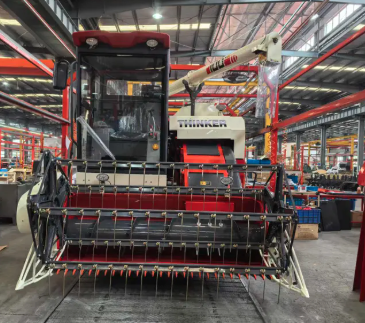
Tractors are essential in mechanized agriculture, serving both as a means of transport for harvested crops and as a power source for implements like balers, mowers, and trailers. Equipped with high-powered engines, tractors can operate in rough terrain and varying soil conditions, ensuring that the harvest process continues without interruption.
Modern tractors also feature advanced hydraulic systems that allow precise control of attachments, while ergonomic cabins improve operator comfort during long harvest days. When used alongside combine harvesters or trailers, tractors streamline the entire harvest workflow, enabling farmers to cover large areas efficiently.
Transporting crops quickly from the field to storage or processing facilities is a crucial part of any harvest. Trailers and transfer wagons provide large capacity and durable construction, allowing farmers to move substantial amounts of grain, straw, or other crop materials with fewer trips.
Their versatility makes them suitable for various crop types, while rapid transport helps prevent spoilage, particularly for high-moisture crops such as corn and soybeans. Without efficient transport solutions, even the best-timed harvest can lose value due to delays.
After the grain harvest, grain balers collect and compress leftover straw or crop residues into compact bales for storage, animal feed, or biofuel production. These machines speed up post-harvest handling, reduce labor demands, and allow farmers to manage crop by-products efficiently.
Modern balers can be adjusted to handle different types of straw or plant material, increasing their usefulness across multiple crops and farm operations.
Self-loading trailers are specialized machines that can harvest and transport forage simultaneously, commonly used for hay, straw, and other field crops.
Equipped with automatic feeding and cutting mechanisms, these trailers improve efficiency and reduce the need for manual labor. Their ability to handle multiple crop types makes them an essential tool during peak harvest periods, ensuring timely collection and transport of delicate materials.
Grain mowers are particularly useful on small farms or fields where a combine harvester cannot operate effectively. They are simple to use, cost-effective, and versatile, capable of mowing a variety of crops from grains to grasses.
Grain mowers allow farmers to harvest efficiently in areas with limited access or uneven terrain, ensuring that even small-scale operations can complete their harvest without relying on larger machinery.
Crops: Wheat, corn, soybeans, barley
Machinery: Combine Harvesters, tractors, trailers
Notes:
Warm-season grains are highly dependent on optimal weather conditions, with growth requiring long daylight hours and moderate to high daytime temperatures. Crops like wheat, corn, and soybeans are typically planted in spring and harvested from late summer through early autumn. The timing of the harvest is critical: harvesting too early can result in underdeveloped grains, while harvesting too late increases the risk of losses from pests, diseases, or sudden rainfall.
Modern Combine Harvesters are indispensable in these crops because they combine multiple operations—cutting, threshing, separating, and cleaning—into a single pass. This not only accelerates the harvesting process but also minimizes grain losses and preserves crop quality. For instance, corn with high moisture content can be harvested with a properly calibrated combine, reducing the likelihood of kernel cracking and spoilage.
Tractors and trailers play a complementary role, transporting harvested grains quickly to storage facilities or processing plants. This ensures the harvest is not delayed and reduces exposure to environmental factors. Additionally, GPS-guided combine systems allow farmers to monitor the yield in real time, optimize routes through the field, and maintain consistent crop quality across large farm areas.
Crops: Broccoli, lettuce, kale, cabbage
Machinery: Specialty harvesters, self-loading trailers, refrigerated transport
Notes:
Cool-season vegetables are highly sensitive to temperature and post-harvest handling. Crops such as broccoli, lettuce, and kale thrive in cooler conditions, and they must be harvested at precise stages of maturity to ensure freshness, nutrient retention, and market value. Unlike grain crops, cool-season vegetables often cannot tolerate long-term storage, which makes the timing and method of harvesting even more critical.
Specialized machinery, including broccoli harvesters and leafy vegetable harvesters, is designed to reduce mechanical damage to delicate plant tissue. Self-loading trailers allow for efficient collection and transport directly from the field to refrigerated storage or distribution trucks, preserving freshness. The use of precision automation in these harvesters, such as adjustable cutting heights and gentle handling systems, ensures that the produce maintains its appearance, texture, and shelf life.
For farmers, speed and efficiency during the cool-season harvest are paramount. Delays caused by labor shortages or equipment downtime can result in significant crop losses. Integrating machinery with smart monitoring systems enables real-time decision-making, such as determining the optimal time to begin harvesting based on temperature, humidity, and crop maturity. This combination of technology and machinery ensures that the harvest is both timely and high-quality.
Crops: Potatoes, carrots, beets
Machinery: Potato harvesters, root crop harvesters, specialized digging and sorting machines
Notes:
Hardy root and tuber crops present unique challenges for the harvest process. Unlike grains, these crops grow underground, making soil condition, moisture level, and careful handling critical factors in maintaining quality and reducing losses. Crops like potatoes, carrots, and beets require specialized machinery that can dig, lift, and separate them from the soil without causing bruising or mechanical damage.
Potato harvesters, for example, use a combination of digging shares, elevators, and cleaning rollers to extract the tubers efficiently while removing excess soil. Root crop harvesters for carrots or beets often include conveyor systems that sort crops by size and remove debris before storage or transport. In these cases, Combine Harvesters are less commonly used because their threshing mechanisms are designed for grains, which could damage underground crops.
Timing is again crucial: harvesting too early can lead to immature tubers, while harvesting too late can result in soil compaction and quality degradation. Advanced soil sensors, GPS-guided machinery, and automated sorting systems allow farmers to optimize harvest schedules, maintain high-quality produce, and reduce labor requirements. Proper integration of machinery ensures that hardy crops reach storage or market in optimal condition, maximizing both yield and profitability.
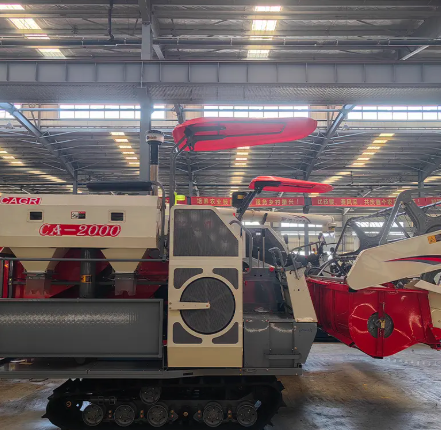
Effective preparation is vital to maximize the performance of Combine Harvesters and other harvesting machinery.
Technical Inspection: Check engines, hydraulics, belts, and electrical systems for wear or damage.
Maintenance of Harvesting Units: Sharpen blades, lubricate moving parts, and inspect headers for any obstructions.
Calibration: Adjust threshing speed, cleaning screens, and travel speed according to crop type and moisture content.
Control Testing: Perform small field tests to ensure all systems function properly before full-scale harvest.
Labor and Logistics Planning: Coordinate workforce, machinery, and transport to prevent bottlenecks during peak harvest.
Warm-season grains use Combine Harvesters, cool-season vegetables need delicate harvesters, and root crops require digging and sorting machines.
Harvest timing affects crop quality and yield, and proper machinery ensures crops are collected at their peak.
Tractors transport crops and power implements, supporting efficient harvest operations.
They quickly move harvested crops to storage, reducing spoilage and labor needs.
Efficient harvesting is all about using the right machinery at the right time. From robust Combine Harvesters for grains to specialized equipment for vegetables and root crops, each machine plays a crucial role in protecting yield and quality. By choosing smart, season-specific solutions, farmers can save time, reduce labor, and maximize productivity across every field.
At Thinker Agricultural Machinery Co., Ltd., we provide advanced harvesting solutions designed to meet diverse crop needs. Explore our range of machines to streamline your harvest and get the most out of every season.


