


T: +86-18367823571
E: lyy@xg1688.cn
E: lyy@xg1688.cn
Building 2, No. 84, Qingxi Dongfeng Road, Qingxi Town, Dongguan City, Guangdong Province, 523642, China

Views: 0 Author: Site Editor Publish Time: 2026-01-12 Origin: Site
Tractor maintenance is the key to keeping your equipment reliable, safe, and ready for work in every season. Whether you operate a tractor daily or only during peak farming periods, knowing how to maintain your tractor properly can reduce downtime, lower repair costs, and extend its service life. In this guide, we walk through practical tractor maintenance tips, daily checks, and long-term care strategies to help you protect your investment and keep your tractor performing at its best.
There isn’t one fixed maintenance schedule that works for every tractor. How often you maintain it depends largely on how frequently it’s used, the working conditions, and how it’s stored. Some tractors operate almost every day under heavy loads, while others may only run a few times a year. Each situation calls for a different approach.
Daily-use tractors experience constant stress. Heat, vibration, and fluid breakdown happen faster, so they require more frequent attention. It’s a good habit to perform quick visual checks before or after daily work, looking for leaks, loose parts, or unusual wear. In addition, weekly inspections of fluid levels, tyres, belts, and filters help catch problems early. For these tractors, major servicing should always be based on engine hours rather than calendar dates.
Seasonal or occasional-use tractors may sit idle for weeks between tasks like planting or harvesting. Because they aren’t used regularly, issues can go unnoticed. It’s important to inspect them before each period of use. Check fluids, battery condition, tyre pressure, and filters, and carry out a more thorough inspection at the beginning of every season. Even light use can lead to problems if the tractor has been sitting for a long time.
Stored or idle tractors still require maintenance, even when they aren’t moving. Moisture buildup, corrosion, rodent damage, and battery drain are common risks. Before placing a tractor into storage, inspect it carefully. Do the same before restarting it. Pay close attention to wiring, hoses, fluid levels, and the battery. Long periods of inactivity can create hidden issues.
| Tractor Usage Type | Typical Inspection Frequency | Main Service Trigger |
|---|---|---|
| Daily use | Weekly checks | Engine hours reached |
| Seasonal use | Before each season | Start or end of season |
| Long-term storage | Before restart | Time-based intervals |
Every tractor comes with a maintenance roadmap—the user manual. Following it is one of the most effective ways to keep the machine reliable and safe. The user manual is critical because no two tractor models are exactly the same. Oil grades, filter types, service intervals, and torque specifications all vary. The manual clearly explains what needs to be inspected, when servicing should occur, and which fluids or parts are approved. Ignoring these instructions can reduce performance and may even affect warranty coverage.
When it comes to service intervals, tractor maintenance is usually measured in engine hours rather than mileage. Tasks like oil changes, filter replacements, and hydraulic servicing are often hour-based. However, some maintenance items are calendar-based. Coolant, brake fluid, belts, and batteries can degrade over time, even if the tractor isn’t used much. If it runs often, hours matter more. If it sits, time still causes wear.
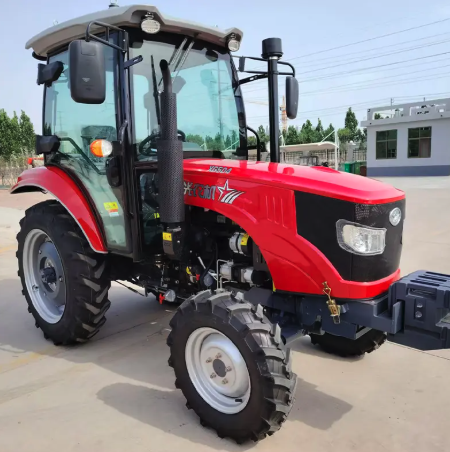
Daily checks don’t take long, but they prevent expensive downtime. We look at the tractor before starting it, not after problems appear. This routine helps us spot small issues early, when they are easier to fix.
Start by slowly walking around the tractor. We use our eyes first, tools later. Many problems show up clearly if we pay attention. Look under the tractor and around major components. Oil, fuel, coolant, or hydraulic fluid on the ground usually means a leak. Even small drips matter, because they often get worse during operation. Check the frame, guards, and panels for cracks, dents, or bent metal. They may point to hidden stress or past impacts.
Loose bolts and missing fasteners are common on working tractors. Vibration causes parts to shift over time. If something looks out of place, it probably is. Tighten it before the job starts. Pay close attention to hoses, belts, and fittings. They carry pressure, heat, and motion every day.
Hoses should feel firm, not brittle or swollen
Belts should look aligned, not frayed or shiny
Fittings should stay dry, not oily or damp
A worn hose often fails without warning. Catching it early saves time and money.
Safety checks protect both the machine and the operator. We never skip them, even during busy seasons. Test the brakes, steering, clutch, and pedals before moving. They should respond smoothly, without sticking or unusual resistance. If steering feels loose or brakes feel weak, stop and inspect further.
Turn on the tractor’s lights, indicators, and warning systems. Headlights, brake lights, and hazard indicators help others see the tractor clearly. Dashboard warning lights should briefly illuminate during startup, then turn off. If one stays on, it needs attention. Operator protection matters just as much as mechanical condition. Check the ROPS, seat belts, and safety features every day.
ROPS should be secure, not cracked or modified
Seat belts should latch properly and retract smoothly
Safety switches should function as designed
| Safety Item | What to Check | Why It Matters |
|---|---|---|
| Brakes | Firm response | Prevents runaway accidents |
| Steering | Smooth movement | Maintains control |
| Lights | Full operation | Improves visibility |
| ROPS | Secure structure | Protects operator |
| Seat belt | Proper locking | Reduces injury risk |
These checks take only minutes. They help ensure the tractor is ready, safe, and reliable before work begins.
Cleaning looks simple, but it supports almost every maintenance task. When dirt stays on the tractor, problems hide. When it stays clean, we see issues early and fix them faster.
Mud, crop residue, grease, and dust build up quickly during daily work. They trap moisture and heat, which speeds up rust and corrosion. Metal parts weaken over time, even if the tractor still runs fine.
A clean tractor cools better. Radiators, grilles, and vents need airflow. When debris blocks them, engines run hotter and wear faster. Overheating often starts here, not inside the engine. Cleaning also improves visibility. Oil leaks, cracked hoses, and loose fittings stand out on clean surfaces. We don’t need special tools. We just need to see clearly.
Less dirt means less corrosion
Better airflow supports engine cooling
Clean surfaces reveal leaks and damage
Cleaning works best when done step by step. Rushing it often causes more harm than good. Exterior washing should use low to moderate water pressure. High pressure forces water into seals and bearings. Warm water and mild detergent remove grease without damaging paint. Start from the top and move downward. Let heavy mud soak first. Scraping dry dirt scratches surfaces.
The engine compartment needs extra care. We avoid spraying directly at the alternator, sensors, air intake, or exposed wiring. Use a soft brush or damp cloth instead. Grease buildup near the engine should come off slowly, not blasted away. Protecting electrical components matters every time we clean. Cover sensitive parts if needed. Water inside connectors causes corrosion later, not immediately. Safety information must stay readable. Labels and decals warn operators and meet safety rules. Dirt fades them fast.
Wipe labels gently, no harsh chemicals
Replace damaged or unreadable decals
Keep warning symbols visible at all times
| Area | Cleaning Method | Key Tip |
|---|---|---|
| Exterior body | Low-pressure wash | Avoid direct bearing spray |
| Radiator area | Soft brush, air | Keep fins straight |
| Engine bay | Damp cloth | No direct water jets |
| Electrical parts | Covered, wiped | Prevent moisture entry |
| Safety decals | Gentle cleaning | Maintain visibility |
Cleaning fits into daily and weekly routines easily. We keep it simple, consistent, and careful.
The engine handles constant load, heat, dust, long hours. If we care for it well, the whole tractor benefits. Daily habits matter as much as scheduled service.
Engine oil should be checked often. Many operators do it before starting work each day. We pull the dipstick while the engine stays cool. Oil should look clean and sit between marks.
Oil changes depend on operating hours, not distance. Most tractors need fresh oil every 100–250 hours. Warm oil drains better, carrying dirt out. Always replace the oil filter at the same time. Choosing the correct oil grade keeps protection strong. Temperature, workload, engine design all matter. Follow the viscosity listed in the user manual.
| Task | Typical Interval |
|---|---|
| Oil level check | Daily or before use |
| Oil and filter change | 100–250 operating hours |
| Oil grade review | Seasonal or climate change |
Clean airflow keeps combustion efficient. When air gets restricted, power drops and fuel use rises. We inspect air filters visually. Light dust can be removed using low-pressure air from inside outward. Heavy dirt means replacement, not cleaning. Dusty fields shorten service intervals. During harvest or dry seasons, filters may need daily checks. Ignoring this causes fast engine wear.
Air filter care tips:
Tap gently, never bang hard
Avoid high-pressure air
Replace damaged or oily filters
Fuel filters protect injectors and pumps. Replace them based on hours or fuel quality. If power drops suddenly, the filter often causes it. Prevent contamination by keeping tanks sealed and clean. Water enters through condensation when tanks sit half full. Dirt enters during careless refueling. Fuel storage matters, especially during downtime. Use clean containers. Add stabilizers for long storage periods. They help fuel stay usable and protect injectors.
| Fuel System Item | Best Practice |
|---|---|
| Fuel filter | Replace on schedule |
| Fuel tank | Keep clean and full |
| Stored fuel | Use stabilizer |
Good engine maintenance stays simple. Regular checks, clean air, clean fuel, proper oil. We control most problems before they start.
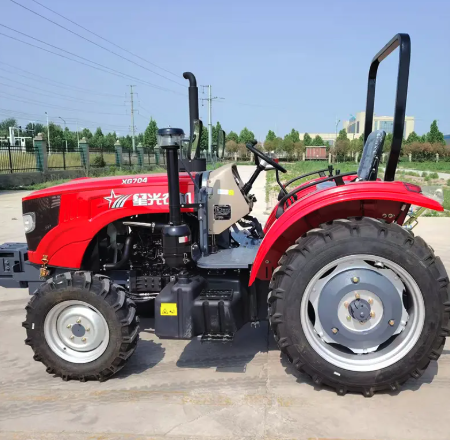
Tractors overheat more easily than cars. They move slower, pull heavy loads, work long hours. Heat builds fast if cooling fails. A healthy cooling system protects engine power and prevents costly damage.
Check coolant levels before work. Low coolant often signals a leak. Inspect belts and hoses for cracks, softness, looseness. They fail quietly, then suddenly.
Flush and replace coolant at recommended intervals. Old coolant loses protection and carries debris. Use antifreeze before winter. It prevents freezing, corrosion, internal cracking.
| Cooling Task | Check Frequency |
|---|---|
| Coolant level | Daily |
| Belts and hoses | Weekly |
| Coolant replacement | Seasonal or manual-based |
Check battery charge and fluid levels regularly. Low charge causes slow cranking and unreliable starts. Clean terminals matter more than many think. Corrosion restricts power flow and stresses the starter.
Replace batteries when starting becomes weak consistently. Cold weather exposes failing batteries fast. If the tractor sits often, use a maintenance charger. It extends battery life and prevents deep discharge.
Inspect wiring for cracks, rubbing, loose connections. Vibration causes damage over time. Check starter and alternator output during routine service. Weak charging leads to repeated battery failure. Test lights often. Headlights, work lamps, indicators all affect safety. Poor visibility increases accident risk, especially during dusk or dusty fieldwork.
Inspect mufflers and exhaust pipes for leaks, rust, loose mounts. Small leaks raise noise levels and reduce engine efficiency. Rust spreads quickly once paint protection fails.
Modern tractors use DPF systems to control emissions. Follow regeneration instructions closely. Ignoring warning lights leads to power loss and costly repairs. Always use correct AdBlue. Incorrect fluid damages sensors and emissions components.
Common warning signs include:
Excessive smoke
Reduced engine power
Frequent dashboard alerts
Unusual exhaust noise
These signs rarely fix themselves. Early attention keeps downtime short and costs controlled.
Maintenance frequency depends on usage, workload, and environment. Daily-use tractors need frequent inspections based on engine hours, while seasonal tractors require checks before and after each working period. Even idle tractors need time-based maintenance to prevent deterioration.
Daily checks include a visual walk-around for leaks or damage, checking fluid levels, inspecting tyres, testing brakes and steering, and confirming lights and safety systems function properly. These steps help prevent breakdowns and safety risks.
Most tractors require oil and filter changes every 100–250 operating hours. Always follow the manufacturer’s recommended interval and use the correct oil grade for your climate and workload.
Cleaning removes dirt, grease, and debris that trap heat and moisture. It improves cooling efficiency, prevents corrosion, and makes leaks or damage easier to spot early.
Keeping a tractor in top condition is less about complex repairs and more about consistent habits. When we pay attention to cleaning, lubrication, fluids, and wear points, small checks turn into big savings over time. A well-maintained tractor responds better, works safer, and stays productive when workloads increase.
At Thinker Agricultural Machinery Co., Ltd., we believe reliable equipment starts with proper care and smart support. If you’re looking for tractors and solutions built for long-term performance, we’re here to help you work smarter, season after season.


