T: +86-18367823571
E: lyy@xg1688.cn
E: lyy@xg1688.cn
Building 2, No. 84, Qingxi Dongfeng Road, Qingxi Town, Dongguan City, Guangdong Province, 523642, China

Views: 0 Author: Site Editor Publish Time: 2026-10-16 Origin: Site
Choosing the right crawler tractor horsepower is important for agricultural productivity, fuel use, and equipment costs. A tractor with insufficient power may struggle with heavy implements, while an oversized machine may increase purchase and operating costs.
However, horsepower is only one part of tractor performance. Buyers should also consider soil conditions, implement requirements, transmission design, machine weight, and expected working speed. This guide explains crawler tractor horsepower specifications and how to select a suitable model for different farming operations.
Table of Contents
For an example of tracked agricultural machinery, explore the Thinker Agri XG1002-B Crawler Tractor.
Horsepower measures the rate at which an engine produces power. It helps buyers understand the tractor's capacity to perform work over time.
Higher engine horsepower can support demanding operations, but it does not automatically guarantee better traction or higher field productivity. Performance also depends on torque, transmission efficiency, machine weight, track design, and the implement being used.
When comparing crawler tractors, review the complete technical specifications rather than relying on horsepower alone.
Engine horsepower describes the engine's power output under specified testing conditions. It does not represent all the power available for pulling an implement.
Drawbar horsepower measures the power available at the drawbar for pulling loads. It is generally lower than engine power because energy is lost through the drivetrain and other systems. The actual difference varies by machine design and operating conditions.
Power take-off (PTO) power is another specification used for implements driven by a PTO shaft. It should not be treated as equivalent to engine or drawbar horsepower.
When comparing models, check which power rating the manufacturer provides and whether the ratings use comparable test standards.
Different jobs place different demands on a tractor.
Tillage and plowing: Soil resistance, working depth, implement width, and target speed affect power requirements.
Planting and seeding: Required power depends on the planter's size, configuration, soil conditions, and operating speed.
Hauling: Load weight, ground slope, rolling resistance, and desired travel speed influence power needs.
Ditching and other field operations: Tool design, soil conditions, and working depth determine the required power.
Do not select a tractor based on the task name alone. Two farms performing the same operation may need different horsepower ratings because their equipment and field conditions differ.
Soil resistance can significantly affect the power needed for fieldwork. Heavy or compacted soil may require more draft power than loose soil, particularly during deep tillage.
Wet or muddy fields create additional challenges. A crawler tractor's tracks can distribute machine weight over a larger contact area and improve flotation, but they cannot eliminate every traction problem.
Slopes and uneven ground also affect safe operation and power demand. Consider the machine's operating weight, track width, stability, and manufacturer guidance when evaluating these conditions.
The implement is one of the most important factors in tractor selection.
A wider plow or cultivator may require more power because it engages more soil. Deeper tillage can also increase draft requirements. Heavy implements may require additional consideration of lifting capacity, hitch compatibility, and machine stability.
Before purchasing a crawler tractor, confirm:
The implement's recommended power range
Working width and depth
Required operating speed
Hitch or connection compatibility
Hydraulic flow and lifting requirements, where applicable
These checks help buyers avoid choosing a tractor that cannot operate the intended equipment effectively.
Higher horsepower does not always mean proportionally higher fuel consumption. Actual fuel use depends on engine efficiency, load, operating speed, transmission, soil resistance, and maintenance.
An undersized tractor may need to work at an unsuitable load or operate for longer periods to finish the same task. An oversized tractor may involve higher purchase costs without providing useful benefits for routine work.
Compare expected workload, fuel consumption under comparable conditions, maintenance requirements, and purchase price to estimate total ownership cost.
Tillage and plowing can require substantial power because the implement must overcome soil resistance. The required horsepower depends on soil type, working depth, implement width, and operating speed.
For heavy or deep tillage, check the implement manufacturer's power recommendations and allow for the conditions in which the tractor will work. Do not rely on a general horsepower range without confirming the equipment specifications.
Planting operations may require less draft power than heavy tillage, but requirements vary by planter size and configuration. Large planters, difficult soil conditions, and higher working speeds can increase power demand.
Check the planter manufacturer's recommended tractor power, connection requirements, and hydraulic needs before selecting a model.
For hauling, consider the total load, terrain, travel distance, and required speed. Drawbar performance can be useful when comparing tractors intended for pulling loads.
Also confirm the machine's rated towing capacity, braking requirements, and operating limits. Horsepower alone does not establish whether a tractor can safely haul a particular load.
Some farms need one machine for several operations, such as tillage, sowing, ditching, and fertilization. In these cases, choose a tractor based on the most demanding task it must perform regularly.
Check compatibility with each intended implement. A suitable engine rating cannot compensate for an incompatible attachment, insufficient hydraulic capacity, or unsuitable machine configuration.
When comparing crawler tractor models, use a consistent checklist.
Specification | Why It Matters |
|---|---|
Engine rated power | Shows the engine's rated output under specified conditions |
Drawbar or PTO power, if provided | Helps assess power available for a specific type of work |
Engine torque and rated speed | Helps explain power delivery across operating conditions |
Transmission type | Affects how engine power is delivered to the tracks or implements |
Operating weight and track dimensions | Influence ground pressure, flotation, and traction |
Implement compatibility | Determines whether the tractor can support the intended equipment |
Fuel consumption data | Helps estimate operating costs when test conditions are comparable |
Maintenance and parts availability | Affects service planning and long-term ownership costs |
Always compare the same type of power rating. For example, an engine-rated horsepower figure should not be directly compared with another model's drawbar horsepower as if the figures were equivalent.
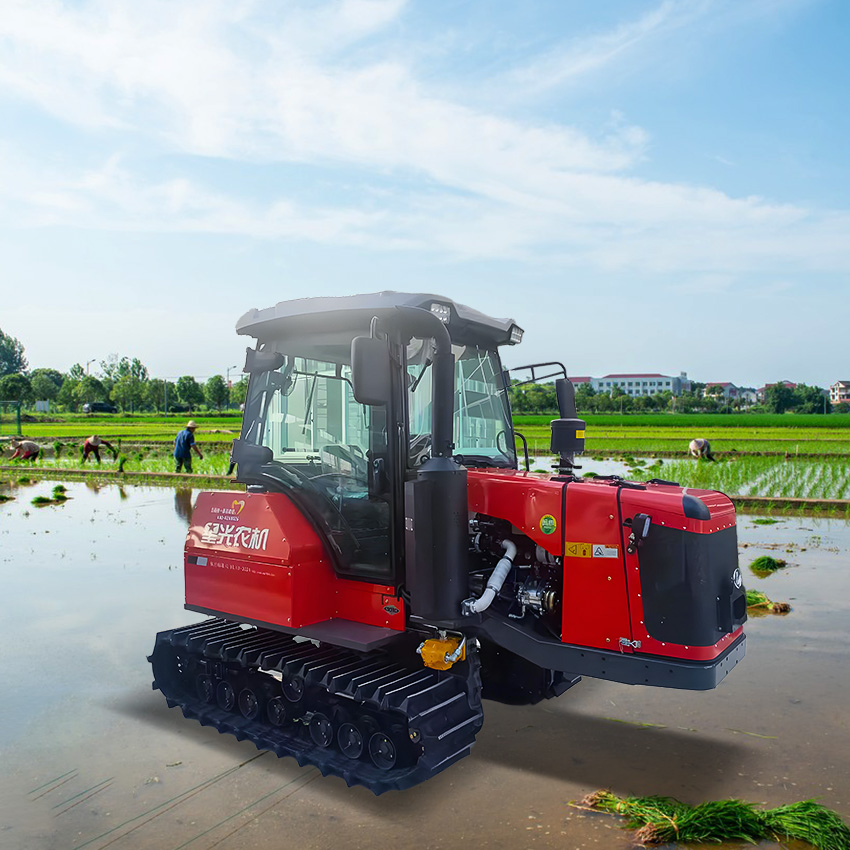
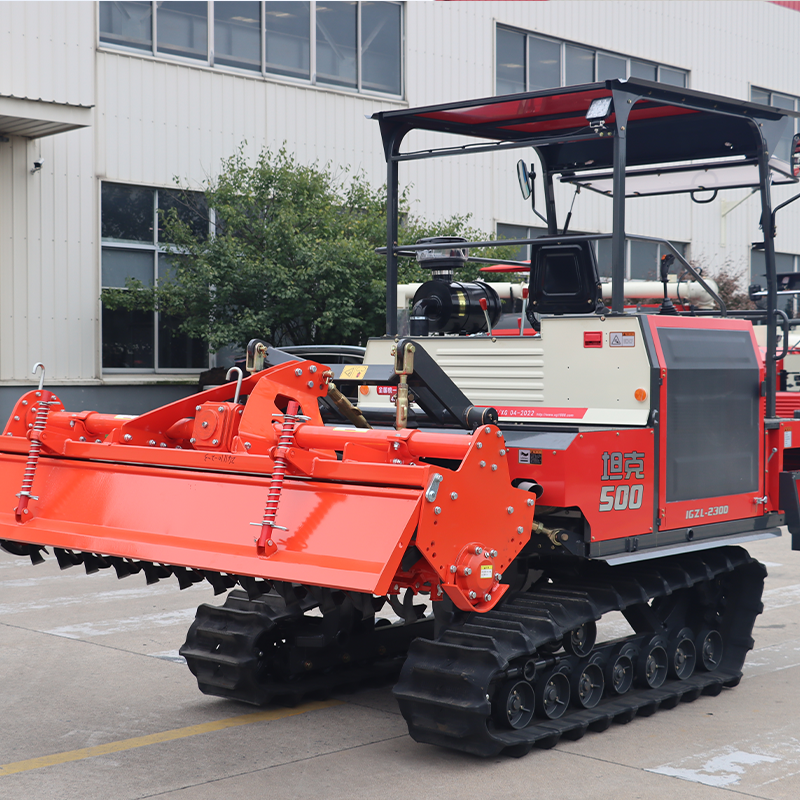
The Thinker Agri XG1002-B Crawler Tractor is designed for agricultural work, including rotary tillage and operations in wet fields.
Its published specifications include a rated engine power figure of 73.5 kW. The same product page also describes the engine as 100 hp. Buyers should confirm the official rated-power specification and applicable test standard with the manufacturer before comparing it with other models.
For additional options, browse the Thinker Agri rotary tiller and crawler tractor range.
A higher horsepower rating does not necessarily mean a tractor is better for every farm. Consider the actual workload, implement specifications, field conditions, and machine configuration.
A tractor that performs well on firm ground may behave differently in wet fields or on slopes. Evaluate the working environment before making a purchase.
Choosing the tractor before confirming implement compatibility can lead to performance limitations. Review power, hydraulic, hitch, and lifting requirements together.
Purchase price, fuel consumption, and maintenance costs depend on several factors, not horsepower alone. Compare models using realistic workload estimates and consistent specifications.
Routine maintenance and access to replacement parts affect downtime and long-term costs. Ask about maintenance intervals, parts availability, and after-sales support before purchasing.
Before selecting a crawler tractor, answer these questions:
What operations will the tractor perform most often?
Which implement requires the greatest power?
What are the soil type, working depth, and terrain conditions?
What operating speed and daily workload are expected?
Which engine, drawbar, or PTO power ratings does the manufacturer provide?
Are the implement connections, hydraulic system, and lifting capacity compatible?
What are the expected fuel, maintenance, and replacement-part costs?
Can the supplier confirm the specifications and provide technical support?
Use these answers to shortlist suitable models and request confirmation from the manufacturer before making a purchase.
Choosing the right crawler tractor horsepower requires more than comparing engine ratings. Farming tasks, soil resistance, implement size, terrain, transmission design, and operating costs all influence the final decision.
Compare equivalent specifications, confirm implement compatibility, and consider the most demanding tasks the tractor will perform. A well-matched crawler tractor can support efficient fieldwork while helping control unnecessary equipment and operating costs.
For model details and application guidance, explore the Thinker Agri crawler tractor range.
Horsepower measures the rate at which an engine produces power. It helps indicate the tractor's ability to perform work, but actual performance also depends on torque, transmission, traction, and implement requirements.
Engine horsepower measures engine output under specified conditions. Drawbar horsepower measures power available for pulling loads and is generally lower because of drivetrain losses.
Consider your main operations, implement requirements, soil conditions, working depth, and target speed. Confirm the recommended power range with the implement and tractor manufacturers.
No. Fuel consumption also depends on engine efficiency, workload, operating speed, terrain, and maintenance. Compare fuel data measured under similar conditions.
Compare engine rated power, available drawbar or PTO power, torque, transmission, operating weight, track dimensions, implement compatibility, fuel consumption, and maintenance support.