


T: +86-18367823571
E: lyy@xg1688.cn
E: lyy@xg1688.cn
Building 2, No. 84, Qingxi Dongfeng Road, Qingxi Town, Dongguan City, Guangdong Province, 523642, China

Views: 0 Author: Site Editor Publish Time: 2026-01-09 Origin: Site
Farming has its own language. Whether you are a new farmer, a hobby gardener, or someone interested in agriculture, understanding farmer lingo is essential. From crop production and livestock care to soil management and modern farm equipment, the terminology can seem overwhelming. This guide provides a comprehensive list of farming phrases and definitions, helping you communicate effectively and improve your farming practices.
Understanding farmer lingo is not just about sounding knowledgeable—it directly impacts farm productivity. Farmers rely on precise terminology to describe soil conditions, crop stages, farm equipment use, and animal health. Miscommunication can lead to mistakes in planting, harvesting, or operating machinery. For new farmers or farm workers, learning these terms improves efficiency and safety, especially when handling specialized farm equipment or managing livestock.
To make it easier to navigate, farmer lingo can be grouped into key categories:
Crop Production
Livestock and Animal Husbandry
Soil and Land Management
Plant Genetics and Breeding
Pest and Disease Management
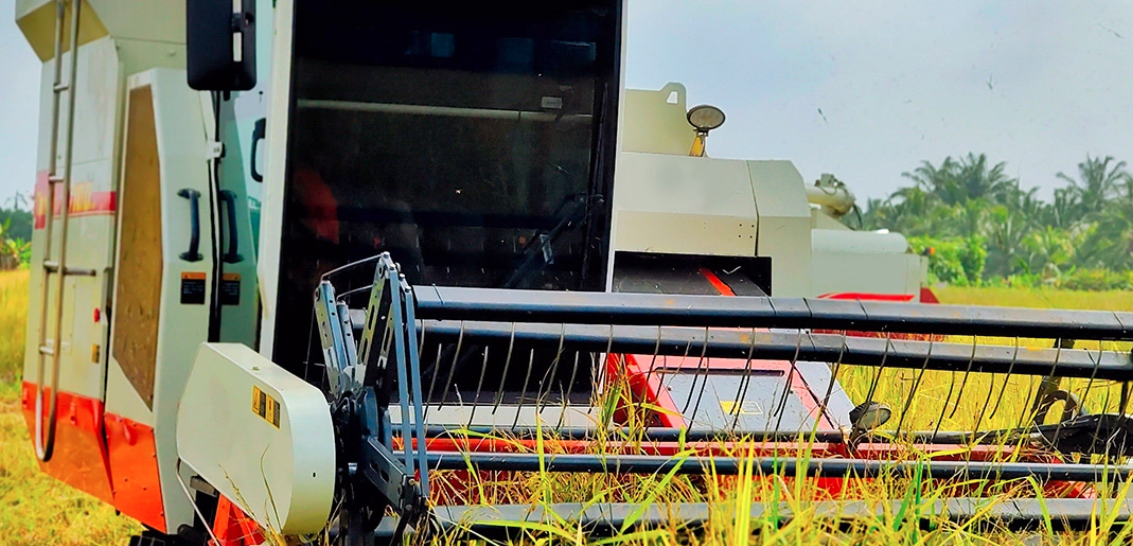
Farm Equipment and Technology
Environmental and Sustainable Farming
Rural Development and Agribusiness
Specialty Crop Terms
Basic Terms:
Agronomy: The science of soil management and crop production.
Cultivation: Preparing and working the soil for planting.
Irrigation: Artificially applying water to crops.
Harvest: Gathering mature crops.
Crop Rotation: Growing different crops sequentially to maintain soil health.
Advanced Terms:
Tillage Types: Minimum, conventional, or no-till systems.
Seed Vigor: The potential for rapid and uniform seedling emergence.
Topdressing: Applying nutrients to growing crops for better yield.
Slow-Release Fertilizer: Fertilizer that releases nutrients gradually, often to match crop needs.
FAQ:
What is the difference between tillage and cultivation?
Tillage refers to turning or loosening the soil, while cultivation is the broader practice of preparing and caring for crops.
Basic Terms:
Pasture: Land used for grazing animals.
Feedlot: A confined area for feeding livestock.
Animal Husbandry: The science of breeding and caring for animals.
Specialized Terms:
Transboundary Animal Diseases: Highly contagious diseases that can spread across regions.
Vector: An organism that transmits disease.
Resistance: The ability of animals or plants to tolerate pests or diseases.
FAQ:
How do farmers prevent livestock diseases?
Farmers monitor health closely, vaccinate regularly, and manage grazing and farm equipment sanitation.
Soil Basics:
Soil Structure: How sand, silt, and clay particles form aggregates.
Soil Quality: The ability of soil to sustain plant growth and environmental health.
Soil Organic Matter: Decomposed plant and animal material essential for fertility.
Soil Conservation Practices:
Conservation Tillage: Minimizes soil disturbance.
Shelterbelts/Windbreaks: Rows of trees that reduce wind erosion.
Wind Erosion Equation: A method to predict soil loss by wind.
FAQ:
Why is soil organic matter important?
It improves water retention, nutrient availability, and supports the soil microbiome, essential for healthy crops.
Seed and Plant Terms:
Seed, Hybrid, GMO, Transgenic Organism, Selectable Marker
Breeding Practices:
Selective Breeding: Crossing plants or animals to achieve desired traits.
Traditional Breeding: Modification using conventional methods.
Recombinant DNA Technology: Modern genetic techniques to create GMOs.
FAQ:
What is the difference between hybrid and GMO crops?
Hybrids are crossbred naturally, while GMOs involve direct genetic modification, often in a lab setting.
Common Terms:
Pesticides, Fungicides, Integrated Pest Management (IPM), Resistant Varieties
Specialized Terms:
Early Blight, Virus Yellows, Potato Cyst Nematode, Potato Wart Disease
FAQ:
How does IPM reduce chemical use on farms?
By combining biological, cultural, and mechanical controls, minimizing dependence on pesticides.
Machinery Terms:
Tractor, Potato Hiller, Air Separator, Irrigation Systems, Mechanical Harvester
Techniques and Practices:
Till-Plant, Row Sprigging, Vine Desiccation, Harvesting Methods
FAQ:
What equipment is essential for small vs. large farms?
Small farms need versatile, multipurpose farm equipment, while large farms often rely on specialized machinery for efficiency.
Seed Potato, Tuber, Tuberization, Hill, Hilling Up
Chitting/Pre-Sprouting, Cutting/Seed Piece, Haulm/Top, Furrow, Vine Desiccation
Diseases: Early Blight, Virus Yellows, Potato Wart Disease
Storage Terms: Curing, Storage Scald, Tuber Dormancy
Equipment: Mechanical Harvesting, Air Separators
FAQ:
How do farmers prevent tuber greening?
By practicing hilling up, proper storage, and using farm equipment to reduce exposure to sunlight.
Conservation Practices:
Sustainable Agriculture, Biodiversity, Soil Conservation, Water Banking
Climate and Weather Terms:
Transpiration, Relative Humidity, Transitional Climatic Zone, Rangeland
FAQ:
How do farmers balance productivity and sustainability?
By combining conservation practices, careful use of farm equipment, and crop planning.
Business Terms:
Agribusiness, Subsidies, Farm Budget, Wholesale Price Index (WPI)
Infrastructure Terms:
Rural Infrastructure, Watershed, Waste Treatment Pond
FAQ:
How do subsidies affect modern farming?
They support small and large farms alike, helping farmers invest in farm equipment and improve yields.
Whether you’re a new or experienced farmer, getting comfortable with farming terminology can completely change the way you manage your land, crops, and livestock. Understanding these terms helps you make smarter decisions, communicate clearly, and get the most out of your daily farm operations.
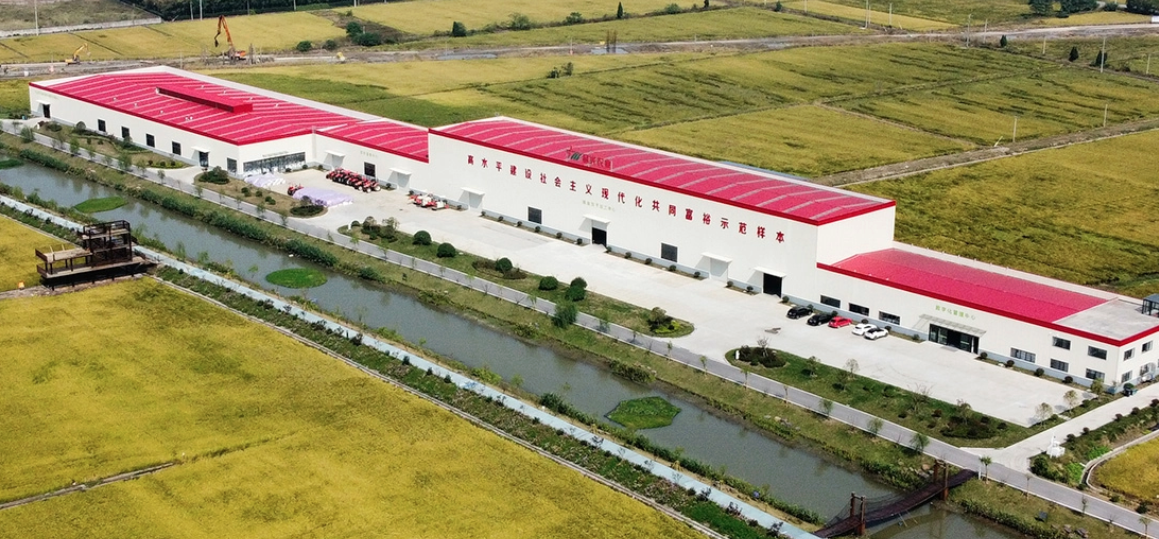
At Thinker Agricultural Machinery Co., Ltd., we not only provide advanced farm equipment but also support farmers in mastering practical knowledge that boosts efficiency. Explore our solutions and see how pairing the right tools with solid farming know-how can elevate your harvests and overall farm productivity.


